
The category questions our label or relationship model, not the existence of the specimen.
NAMES UNDER REVIEW
Problematica.
Where fossils, species names and biomolecular lineages do not yet fit cleanly together.A species name should identify a defensible grouping, not hide uncertainty.
Morphology, proteins and DNA can reveal different parts of the same population history.
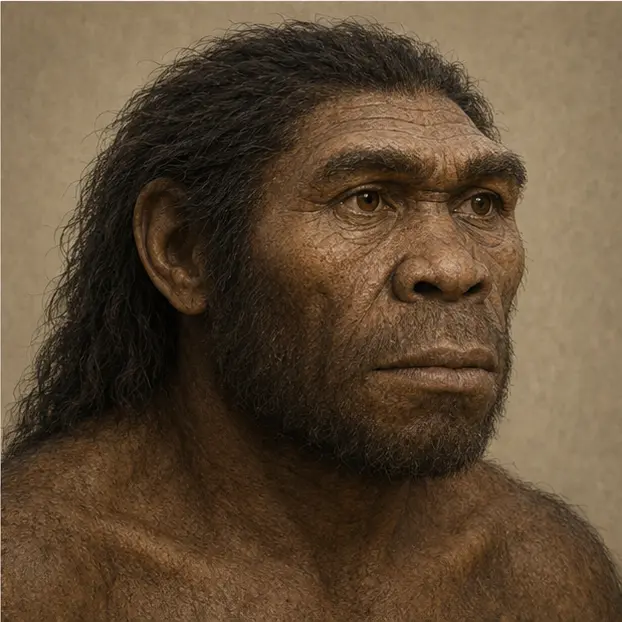
Catch-all grouping · ~773–300 ka
Middle Pleistocene Homo
Working population frameFossils once grouped as Homo heidelbergensis vary substantially by place and time. WAWL uses Middle Pleistocene Homo to compare those populations without treating them as one clearly bounded species.
Unstable name · ~700–200 ka
Homo heidelbergensis
The classic middle binThe name has been used narrowly for European fossils and broadly for specimens across Africa and Eurasia. Those definitions imply different ancestors for Neanderthals and Homo sapiens.
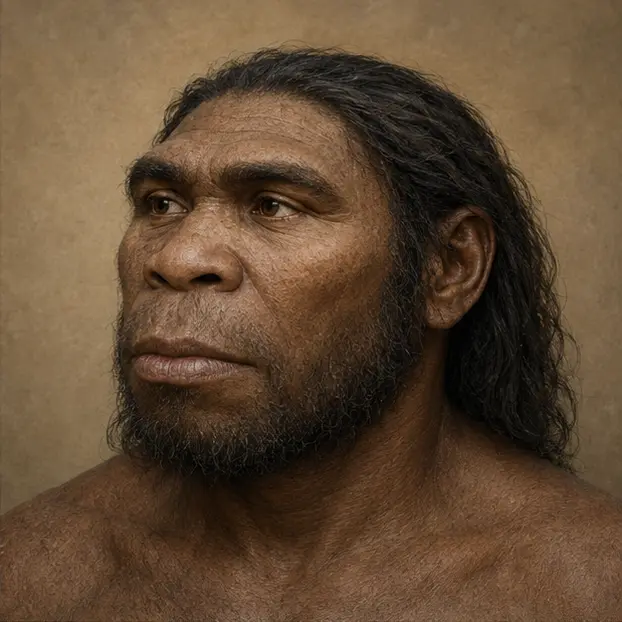
Lineage mismatch · at least ~146 ka
Homo longi / Harbin
A name meets a molecular lineageHarbin was named Homo longi from morphology. Enamel proteomics published in 2025 instead links the individual to the Denisovan lineage, raising the question of whether a morphological species name and a genomic population name describe the same group.

Unstable name · ~300–50 ka
Homo juluensis
Proposed East Asian groupingThe proposed name groups Xujiayao and Xuchang material. Some researchers have also discussed including Denisovan-related fossils, but this recent, broad assignment is not a settled consensus.
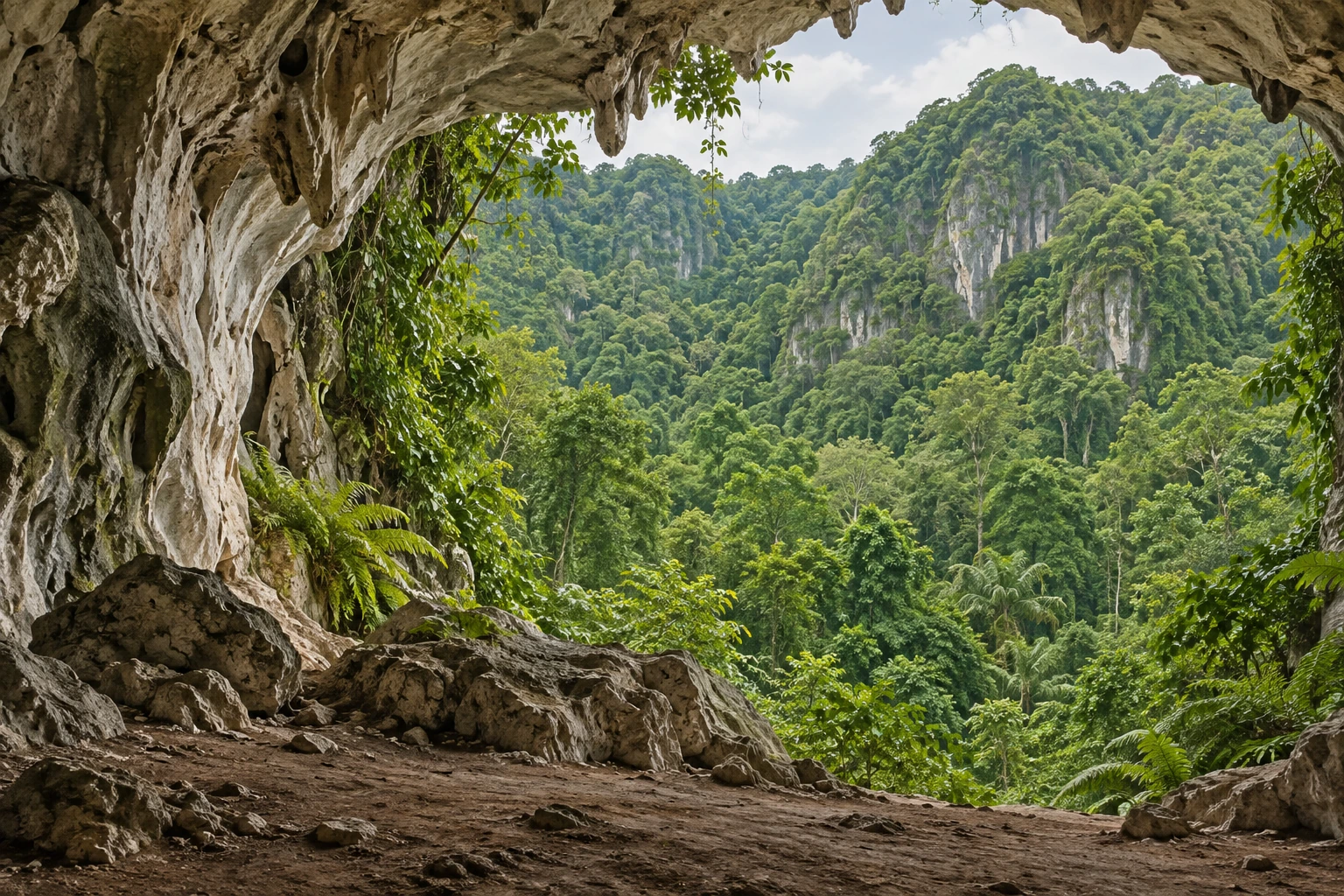
Placement debated · ~67–50 ka
Homo luzonensis
A valid name with an unknown branchTeeth and small hand and foot bones justify recognizing a distinctive population, but the fragmentary sample cannot yet reveal its ancestry, full anatomy or relationship to other island humans.

Catch-all grouping · ~2.4–1.4 Ma
Homo habilis / rudolfensis
The boundary at early HomoHomo habilis has accumulated variable fossils, while Homo rudolfensis is separated by some researchers and rejected or differently defined by others. Tool association does not identify the maker.
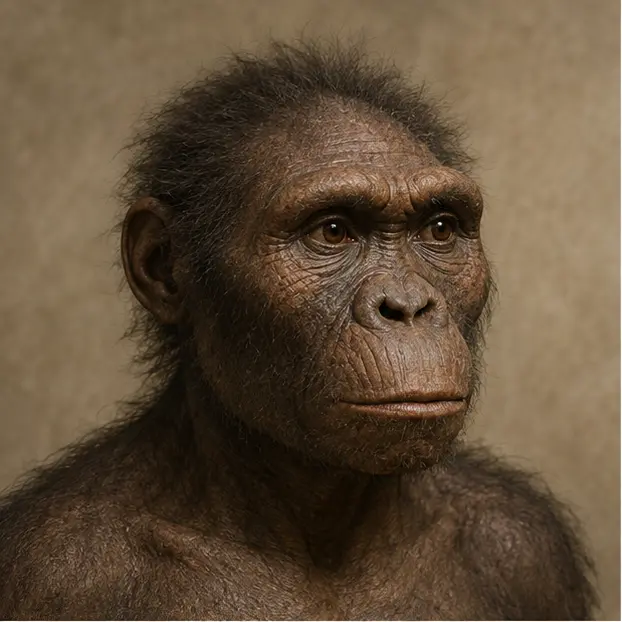
Placement debated · ~7–6 Ma
Sahelanthropus tchadensis
Hominin or neighboring ape branch?A distorted cranium, teeth and attributed limb material sit close to the human–chimpanzee divergence. Small canines and possible bipedal signals do not by themselves settle its place on the family tree.
Placement debated · Late Pleistocene
Red Deer Cave people
Distinct morphology without a secure taxonUnusual fossil traits prompted competing classifications. A 2022 genome study placed Mengzi Ren within Homo sapiens, but a 2025 methodological critique questioned the ancient-DNA data. The disagreement must remain visible; unusual morphology alone does not establish a new species.