
NEW FINDINGS · RANKED ARCHIVE · 2026
What changes
our story?
15 newly indexed discoveries join the retained ranked archive. Selected research checked through 21 October 2026. New entries appear first by paper date and have no impact score; recency is not significance. Archaeological ages are separate from publication dates. Newly indexed
Denisovans · About 199–138 ka
Paper:
Ancient proteins identify Xujiayao fossils as Denisovan.
Proteins from a skull fragment and mandibular ramus support Denisovan affiliation for Xujiayao fossils from a roughly 199–138-thousand-year context.- Why it matters
- Molecular identification links more cranial anatomy to the Denisovan record.
- Evidence limits
- Affinities proposed for Dali, Jinniushan and Hualongdong rely on morphology, not new molecular identifications. Relationships within the Denisovan lineage remain unresolved.
Paper: The proteome of Middle Pleistocene Xujiayao and common Denisovan morphology
Xing et al. · Nature ·
Peer-reviewed · Published paper
 Newly indexed
Technology · Seventh century BCE
Paper:
A temple workshop reveals Kushite faience production.
Firing pits, basins, production waste and a matching figurine mold identify a faience workshop beside Sanam Temple in Sudan, dated broadly to the seventh century BCE.- Why it matters
- The workshop connects specialized craft production with royal and temple institutions.
- Evidence limits
- Dating relies on ceramic context. State control and shell-based recipes are interpretations; one workshop cannot represent the whole Kushite economy.
Paper: Crafting power in Kush: faience production and state control in the Napatan region
Lemos et al. · Antiquity First View ·
Peer-reviewed · Published paper
 Newly indexed
Neanderthals · About 75 ka
Paper:
Shanidar remains connect injury with treatment of the dead.
A roughly 75,000-year-old Neanderthal preserves a survived facial injury and shoulder-blade damage consistent with a lethal spear wound, within a repeatedly used mortuary area.- Why it matters
- One individual connects trauma, possible care and patterned treatment of the dead.
- Evidence limits
- Attribution of the remains to one individual is provisional. A wooden weapon is inferred, not preserved. Accident versus interpersonal violence cannot be determined; care and symbolic meaning remain interpretations.
Paper: Evidence for funerary behaviour and lethal trauma in a new Neanderthal individual from Shanidar Cave
Pomeroy et al. · Scientific Reports ·
Peer-reviewed · Published paper
 Newly indexed
Climate · 805–1150 CE
Paper:
Coffin timbers preserve a medieval Yangtze drought record.
Oxygen isotopes from five coffin timbers reconstruct lower Yangtze hydroclimate for 805–1150 CE, indicating drying from around the 1080s and stronger drought after 1101.- Why it matters
- Archaeological wood adds a dated environmental record alongside accounts of late Northern Song social pressures.
- Evidence limits
- The chronology relies on cross-dating with Japan plus radiocarbon constraints. Climatic and political associations do not establish drought as the cause of dynastic collapse.
Mei et al. · npj Palaeoecosystems ·
Peer-reviewed · Published paper
Newly indexedArt · Multiple proposed historical phases
Paper:
Imaging separates phases of Altai cave art
Hyperspectral imaging and iconographic comparisons distinguish broadly Bronze Age figures from later Tibetan Buddhist motifs at Tangbaletasi.- Why it matters
- A reused painted place can preserve several visual traditions.
- Evidence limits
- No direct scientific dating establishes these phases; the proposed Yuan association and ritual functions remain interpretations.
Paper: Chronology and function of Tangbaletasi cave paintings via hyperspectral and iconographic analyses
Huang et al. · npj Heritage Science ·
Peer-reviewed · Published paper
 Newly indexed
Technology · Late 8th–early 10th century CE
Paper:
Slag reveals a late-Tang iron-casting workshop
Slag chemistry, artifacts and ceramic molds support melting and casting at Zhujiazui, Hubei, between the late eighth and early tenth centuries CE.- Why it matters
- Waste materials help distinguish casting from primary ore smelting.
- Evidence limits
- The conclusion concerns the excavated area. Proposed flux ingredients and wider supply networks remain uncertain.
Paper: Iron production at the Zhujiazui site of the late Tang dynasty in Ezhou, South China
Zhang et al. · npj Heritage Science ·
Peer-reviewed · Accepted manuscript
 Newly indexed
Plant use · 5th–3rd century BCE
Paper:
A Xinjiang brazier preserves burned plant residues
Chemical residues identify cannabis and signals associated with aromatic plants in a repeatedly scorched wooden vessel from Hongshan Cemetery.- Why it matters
- Residues add material evidence to interpretations of Iron Age plant use.
- Evidence limits
- One vessel does not establish regional practice, inhaled dose or intoxication. Ritual function is inferred from context.
Paper: A wooden brazier and ritual plant burning in early Iron Age Xinjiang, China
Song et al. · npj Heritage Science ·
Peer-reviewed · Accepted manuscript
Newly indexedFood · Jingtoushan: 8,300–7,800 BP
Paper:
Coastal diets shifted as rice farming expanded
Jingtoushan animal isotopes and regional comparisons suggest a Neolithic shift from marine foods toward terrestrial C3 resources in the Lower Yangtze.- Why it matters
- Dietary transitions can be examined alongside changing coastal livelihoods.
- Evidence limits
- Dog diets only indirectly inform human food use. C3 signals do not identify rice alone.
Deng et al. · npj Heritage Science ·
Peer-reviewed · Accepted manuscript
 Newly indexed
Fossils · About 2.04–1.95 million years ago
Paper:
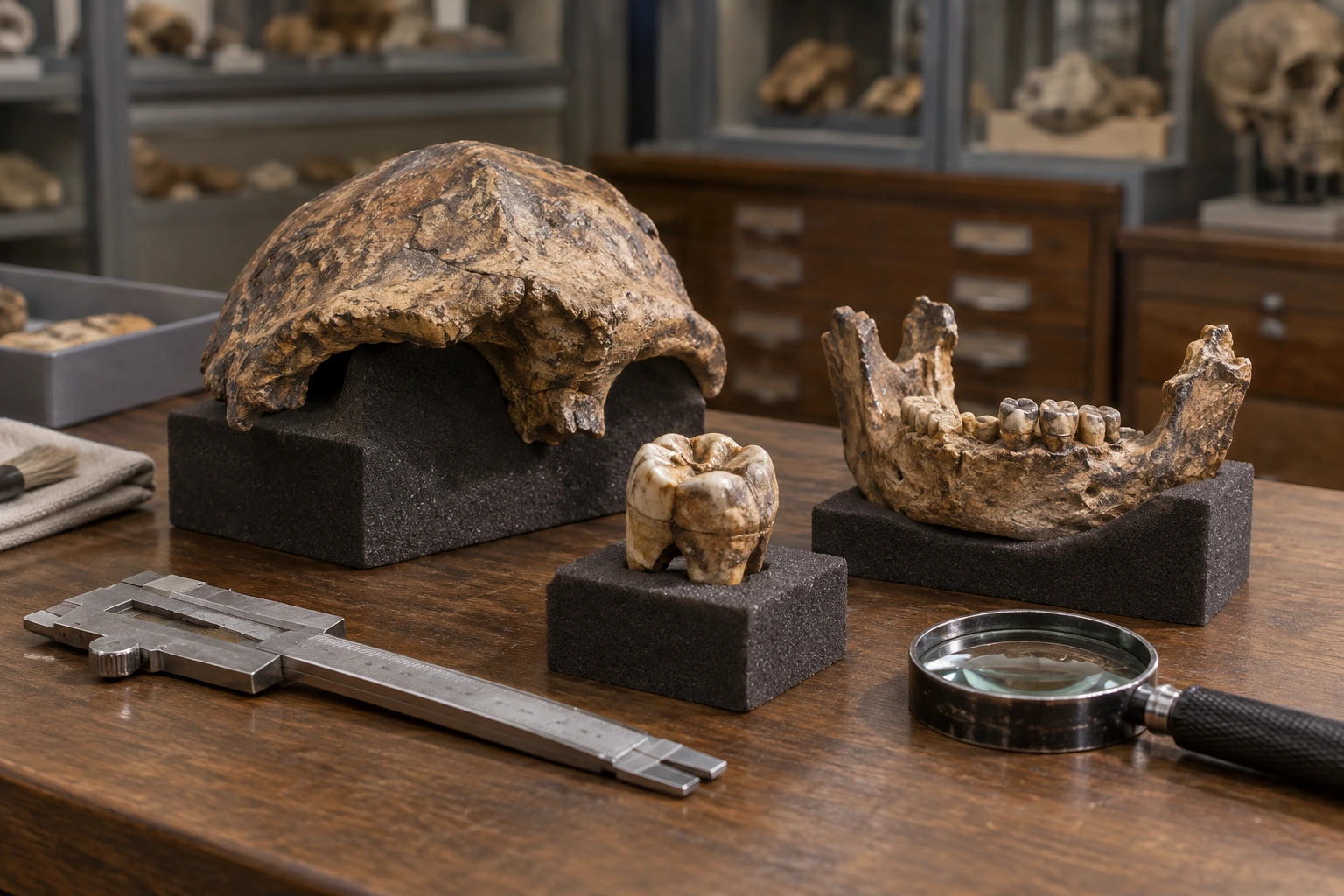
Adult Drimolen fossil strengthens early erectus evidence
Eighteen described fossils include adult skull fragment DNH 127, tentatively assigned to Homo erectus sensu lato in a roughly 2.04–1.95-million-year context.- Why it matters
- An adult specimen adds to the earlier juvenile evidence at Drimolen.
- Evidence limits
- This supports an already proposed early presence in southern Africa; it does not locate the species’ origin or settle all taxonomic boundaries.
Paper: New hominin cranial and mandibular remains from Drimolen Main Quarry, South Africa
Martin et al. · Annals of Human Biology ·
Peer-reviewed · Published paper
Institutional news: La Trobe University,
 Newly indexed
Ecology · Past approximately 1,200 years
Paper:
Livestock expansion coincided with Madagascar’s landscape change
Radiocarbon dates and isotopes trace rapid livestock spread into Madagascar’s interior about 1,200 years ago, followed by changes in animal diets and vegetation.- Why it matters
- Pastoral land use adds context to endemic megafaunal decline.
- Evidence limits
- Association does not establish livestock as the sole extinction cause. Carbon changes can reflect C4 grasses or CAM succulents.
Paper: Past rapid spread of introduced livestock coincided with vegetation clearance on Madagascar
Hixon et al. · Proceedings of the Royal Society B ·
Peer-reviewed · Published paper
Institutional news: Max Planck Institute of Geoanthropology,
Newly indexedFarming · About 6,000–3,500 BP
Paper:
Belize soils record a move toward upland farming
Southern Belize evidence places cultivation beside wetlands around 6,000 BP and upland farming by 3,500 BP, alongside maize intensification and settlement growth.- Why it matters
- Farming locations changed as communities managed environmental uncertainty.
- Evidence limits
- This is a regional sequence. C4 signatures alone are not crop-specific, and climatic or demographic drivers remain interpretations.
Paper: An early shift from wetland-adjacent to upland farming in the Maya lowlands
Prufer et al. · Communications Earth & Environment ·
Peer-reviewed · Published paper
Institutional news: University of New Mexico,
Newly indexedEcology · About 400,000–100,000 years ago
Paper:
Tooth isotopes reveal a persistent Levantine refuge
Herbivore enamel from three Lebanese sites records recurring Mediterranean seasonality and woodland resources across sampled intervals around 400,000–100,000 years ago.- Why it matters
- Locally buffered habitats could support repeated hominin presence and movement.
- Evidence limits
- Sparse samples and legacy collections cannot demonstrate uninterrupted occupation or uniform conditions throughout the Levant.
Russo et al. · Communications Earth & Environment ·
Peer-reviewed · Published paper
 Newly indexed
Denisovans · Fossil layers: about 167–134 ka
Paper:
Bianfu extends the Denisovan evidence record
Proteins identify two teeth and three bone fragments, including a radius, as Denisovan in layers dated approximately 167–134 thousand years ago.- Why it matters
- The fossils expand the molecularly confirmed geographic and anatomical record.
- Evidence limits
- Protein assignments are not full genomes and do not identify every fossil or occupation in the wider 190–70-thousand-year sequence.
Paper: Ancient proteins identify various Denisovan remains from Southwest China
Rao et al. · Nature ·
Peer-reviewed · Published paper
Newly indexedFarming · Bronze Age crop dispersal
Paper:
Direct grain dates refine millet’s route into Europe
Seventy dates from charred millet, including sixteen new measurements, place the earliest secure European evidence in this analysis in the western Pontic Steppe.- Why it matters
- Dating crop remains directly tests models of agricultural spread.
- Evidence limits
- Earliest sampled evidence is not necessarily the first cultivation; incomplete coverage limits precise routes and timing.
Karanikola et al. · Scientific Reports ·
Peer-reviewed · Published paper
Newly indexedTechnology · Late Pleistocene North America
Paper:
Tool reduction tests how people learned new landscapes
Tennessee River Valley projectile points suggest Clovis toolmakers extended tool use more intensively than later Cumberland groups.- Why it matters
- The authors connect this contrast to changing familiarity with stone sources.
- Evidence limits
- Tool reduction indirectly reflects resource decisions; it cannot reveal when individual people learned the landscape.
Tune and Miller · Journal of Archaeological Method and Theory ·
Peer-reviewed · Published paper
Institutional news: University of Mississippi,
 #0196
Fossils · 773 ± 4 KA
Thomas Quarry closes an African gap
Moroccan fossils constrain African population history near the divergence of later lineages; they do not identify a proven common ancestor.- Why it ranks
- Tests the geographic and anatomical context of early sapiens ancestry.
- Evidence confidence
- High
 #0294
Molecules · ~400 KA
Chinese Homo erectus gains proteins
Enamel proteomes connect six East Asian fossils through shared variants and a possible Denisovan-related signal.- Why it ranks
- Allows comparisons between molecular and morphological classifications in East Asia.
- Evidence confidence
- High
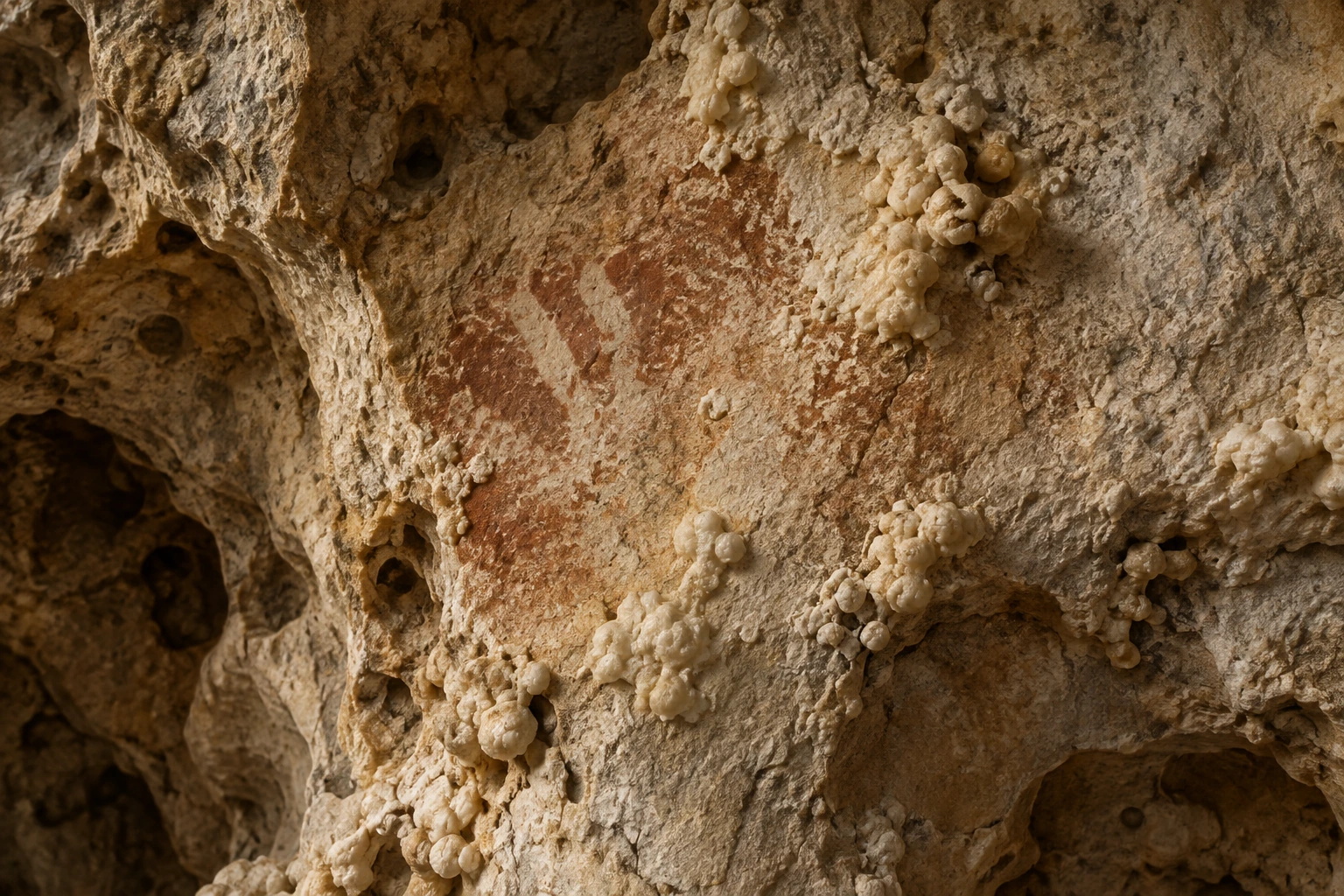 #0391
Art · ≥67.8 KA
Wallacean rock art moves earlier
A Sulawesi hand stencil supplies the minimum age of 67.8 thousand years for a hand stencil; the individual maker is unknown.- Why it ranks
- Constrains regional activity without independently proving a route into Sahul.
- Evidence confidence
- High
 #0490
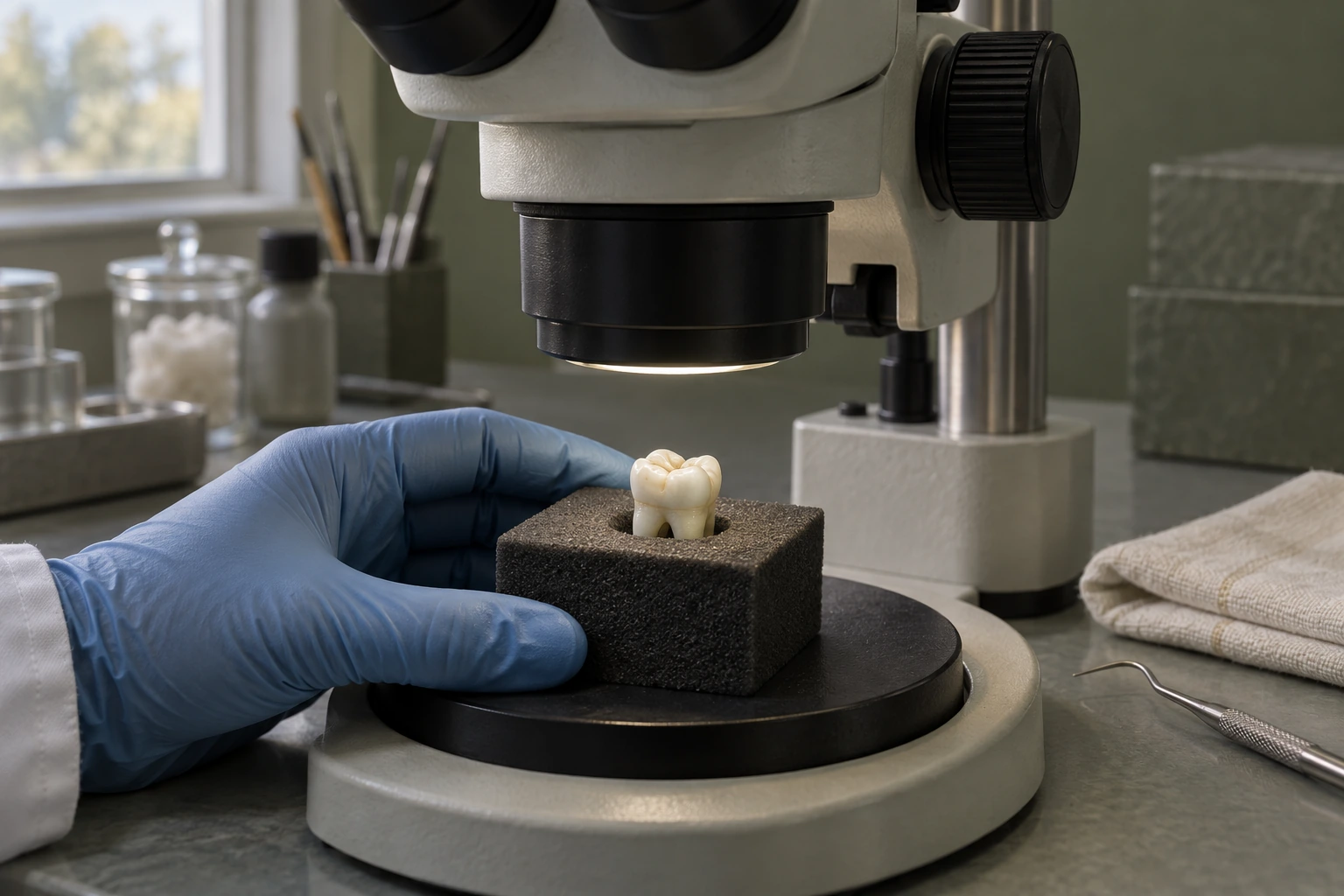
Genomes · Living people
Ghost lineages become visible
TRACE infers archaic ancestry from present-day genomes without a sequenced archaic reference or outgroup. Inferred lineages are not named fossil species.- Why it ranks
- Shows inferred admixture as probability bands rather than precise arrows.
- Evidence confidence
- Moderate
 #0588
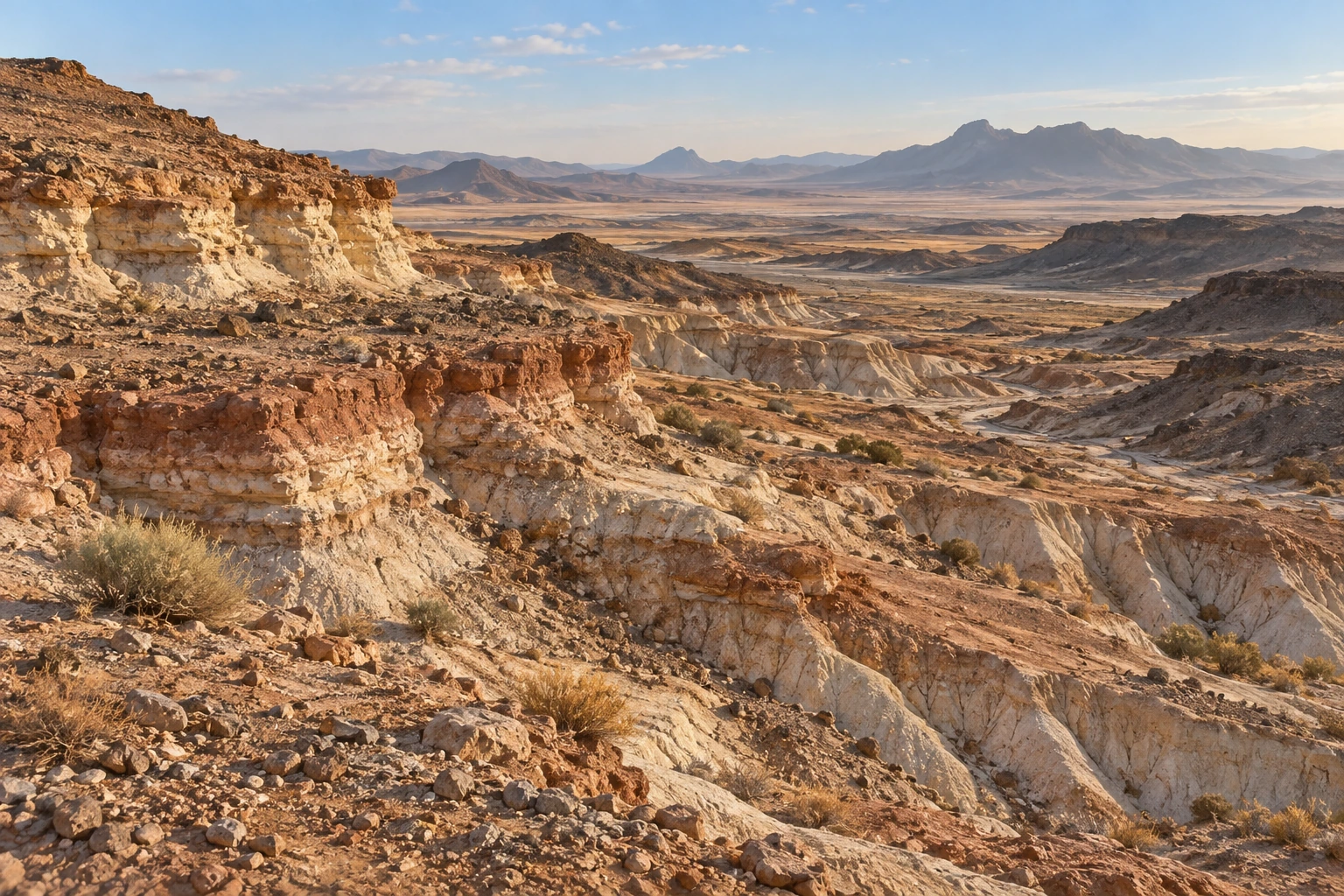
Neanderthals · ~100 KA
A connected Central European population
Eight new mitogenomes from nine teeth represent at least seven, possibly eight individuals at Stajnia. Mitochondrial ancestry is only one part of population history.- Why it ranks
- Helps compare connections among populations across the region.
- Evidence confidence
- High
 #0686
Paranthropus · ~2.9–2.5 MA
MLP-3000 extends the known Paranthropus range
Afar specimens extend the genus Paranthropus northward and earlier; they do not extend the confirmed range of P. boisei.- Why it ranks
- Shows how absence may reflect sampling, not ecology.
- Evidence confidence
- High
 #0784
Proteomics · Homo naledi
Protein complicates fossil sex estimates
A study of 23 specimens representing at least 20 individuals recovered no convincing male-specific amelogenin signal. This does not prove all were female.- Why it ranks
- Prompts a closer look at how fossil sex is inferred.
- Evidence confidence
- Moderate
 #0882
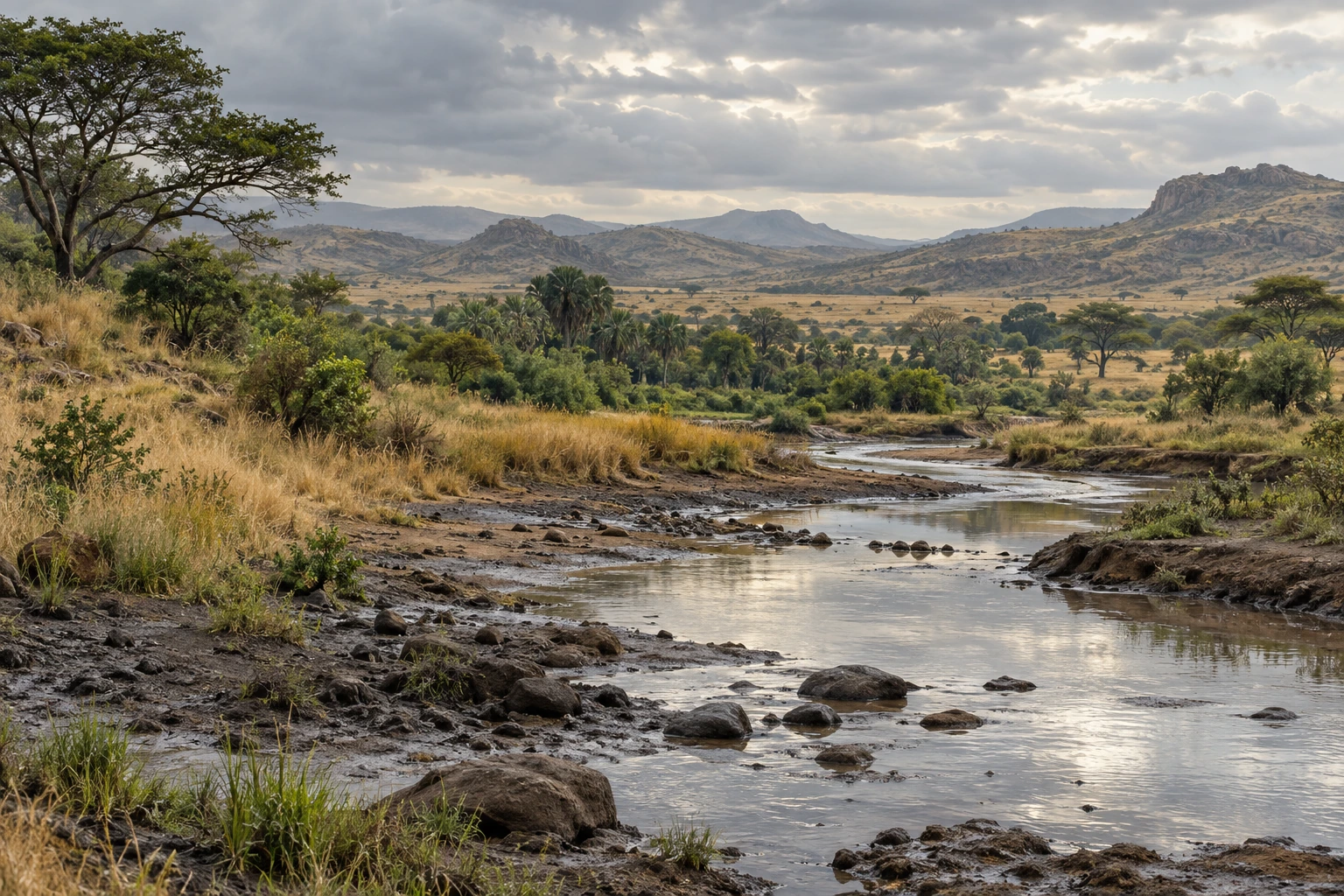
Early hominins · 3–2.5 MA
Several lineages overlapped in eastern Africa
Ledi-Geraru documents early Homo and Australopithecus. Wider regional comparisons add other taxa; this is not four species established together at one site.- Why it ranks
- Shows that early hominin lineages overlapped in time.
- Evidence confidence
- High
 #0980
Genomes · Late Neanderthals
Twenty-seven genomes widen the record
Genome data from 27 individuals in Belgium and France broaden late Neanderthal diversity; uneven sampling still limits population-wide conclusions.- Why it ranks
- Adds evidence for late Neanderthal population history.
- Evidence confidence
- High
 #1077
Methods · Tooth nanostructure
Enamel becomes a dietary archive
Twelve teeth from nine primate species spanning 17.8 million years test enamel nanocrystal structure. It is a small comparative sample, not a universal dietary classifier.- Why it ranks
- Adds material structure to shape and wear evidence.
- Evidence confidence
- Moderate