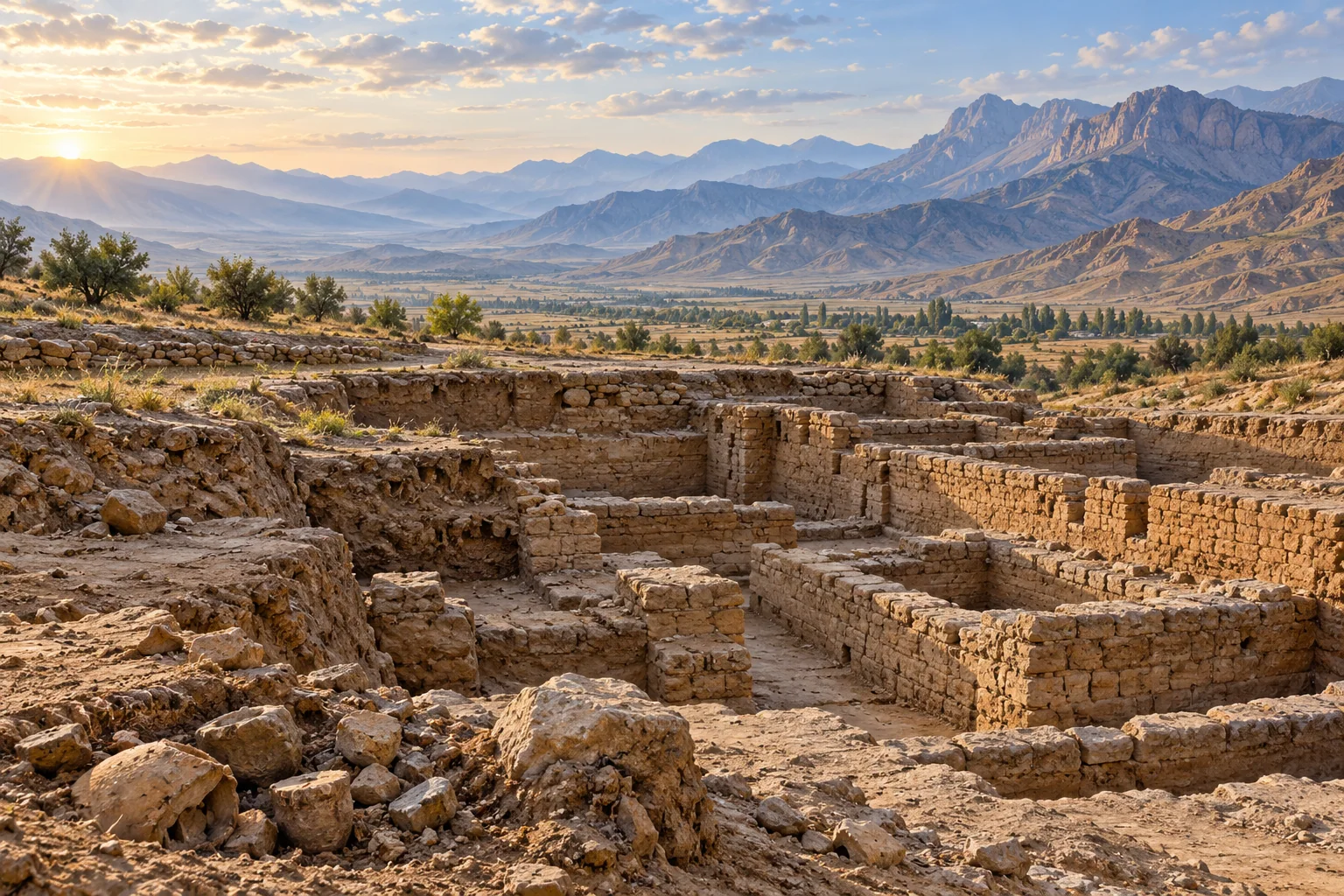
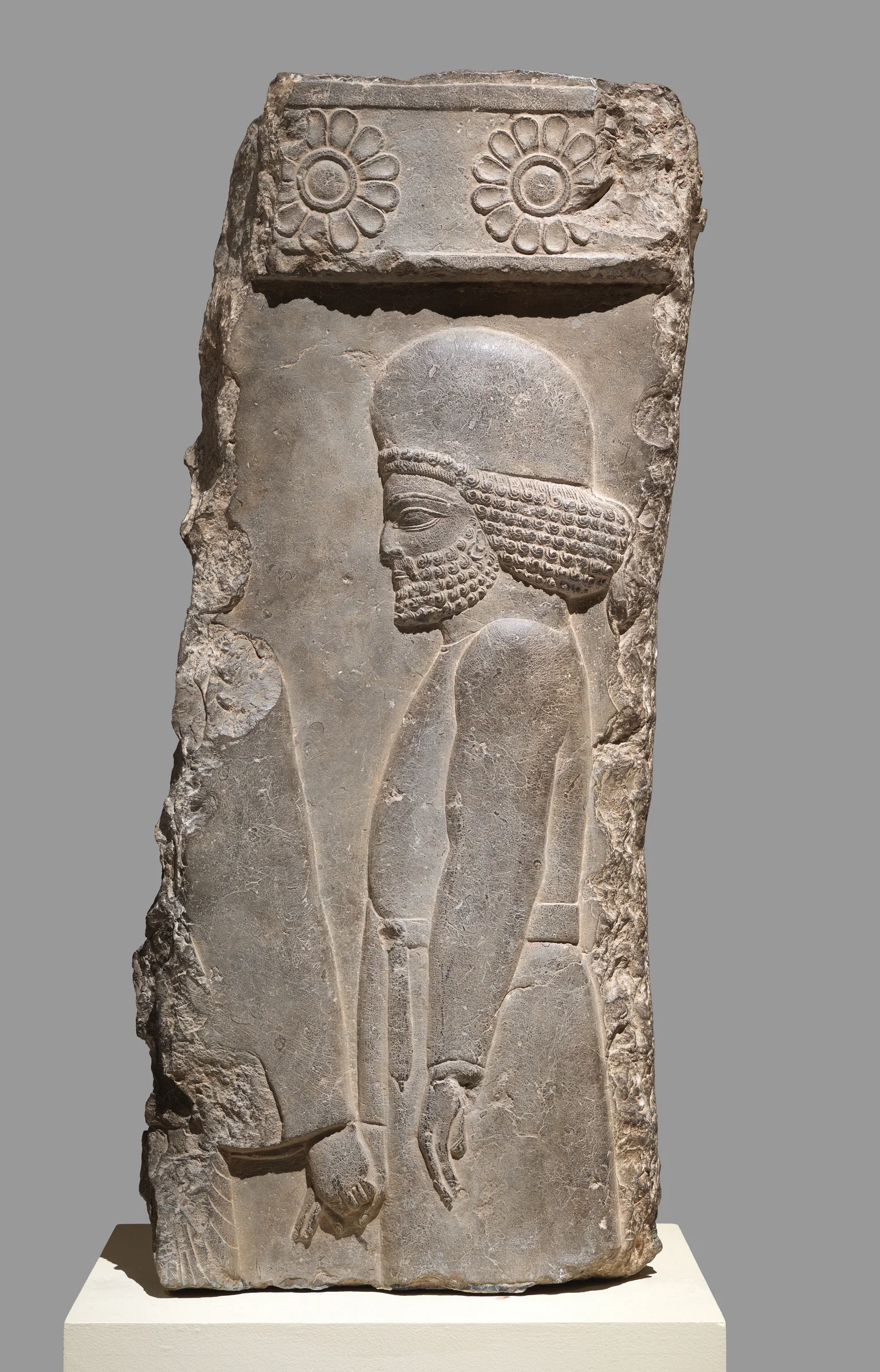
Read Persepolis: constructing a royal place518 BCE–330 BCE (focus interval) · Iran
What does a palace complex choose to make visible?
Darius I began the Persepolis complex in 518 BCE on a monumental terrace. Its buildings and surviving objects provide ways to examine royal presentation and the work of construction.
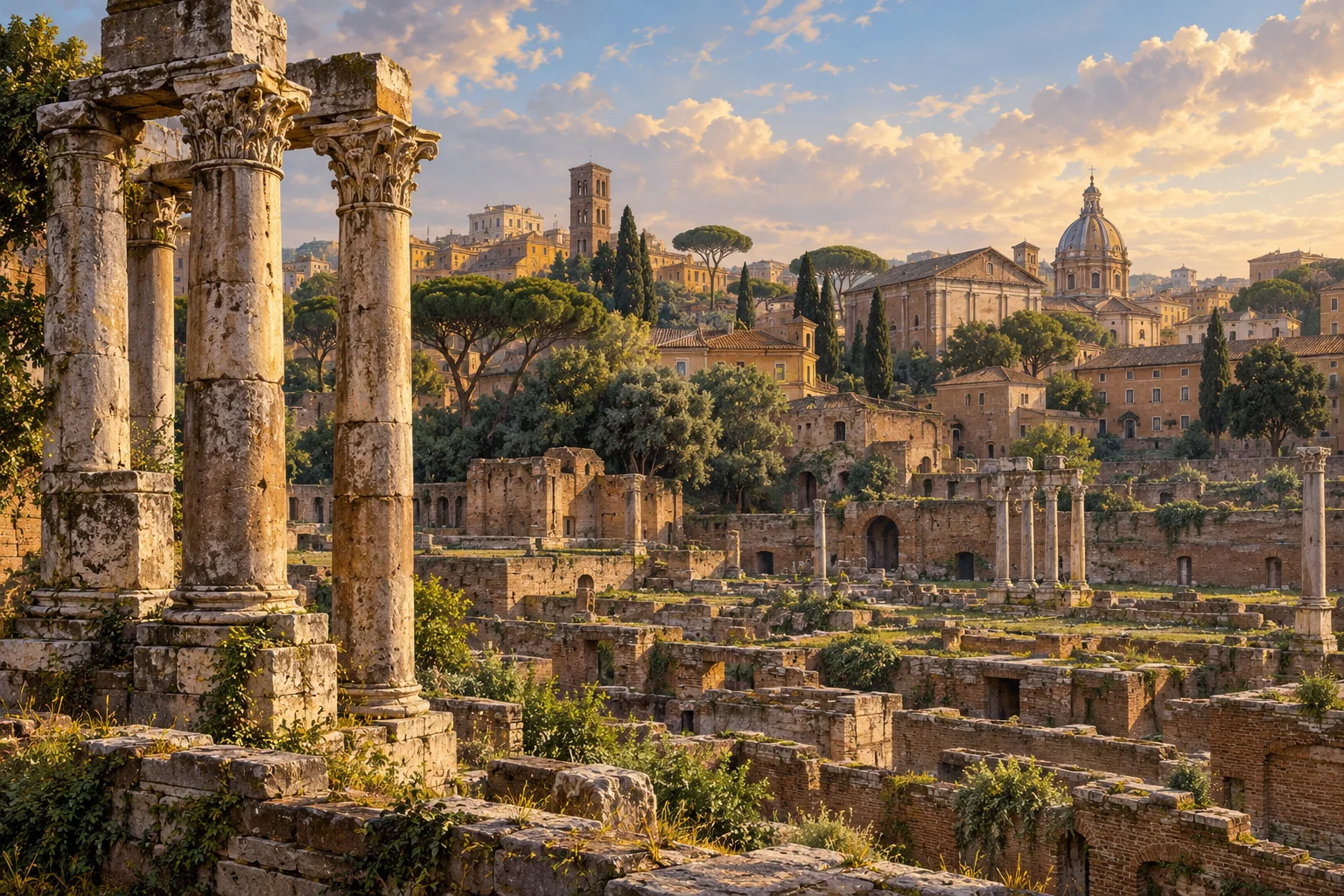
Read Rome: a city of surviving layers100 BCE–500 CE (focus interval) · Italy
How does a city preserve several pasts at once?
Rome’s historic center contains republican, imperial and later religious monuments. Reading the city means distinguishing when buildings were made, what they were used for and how they survived.
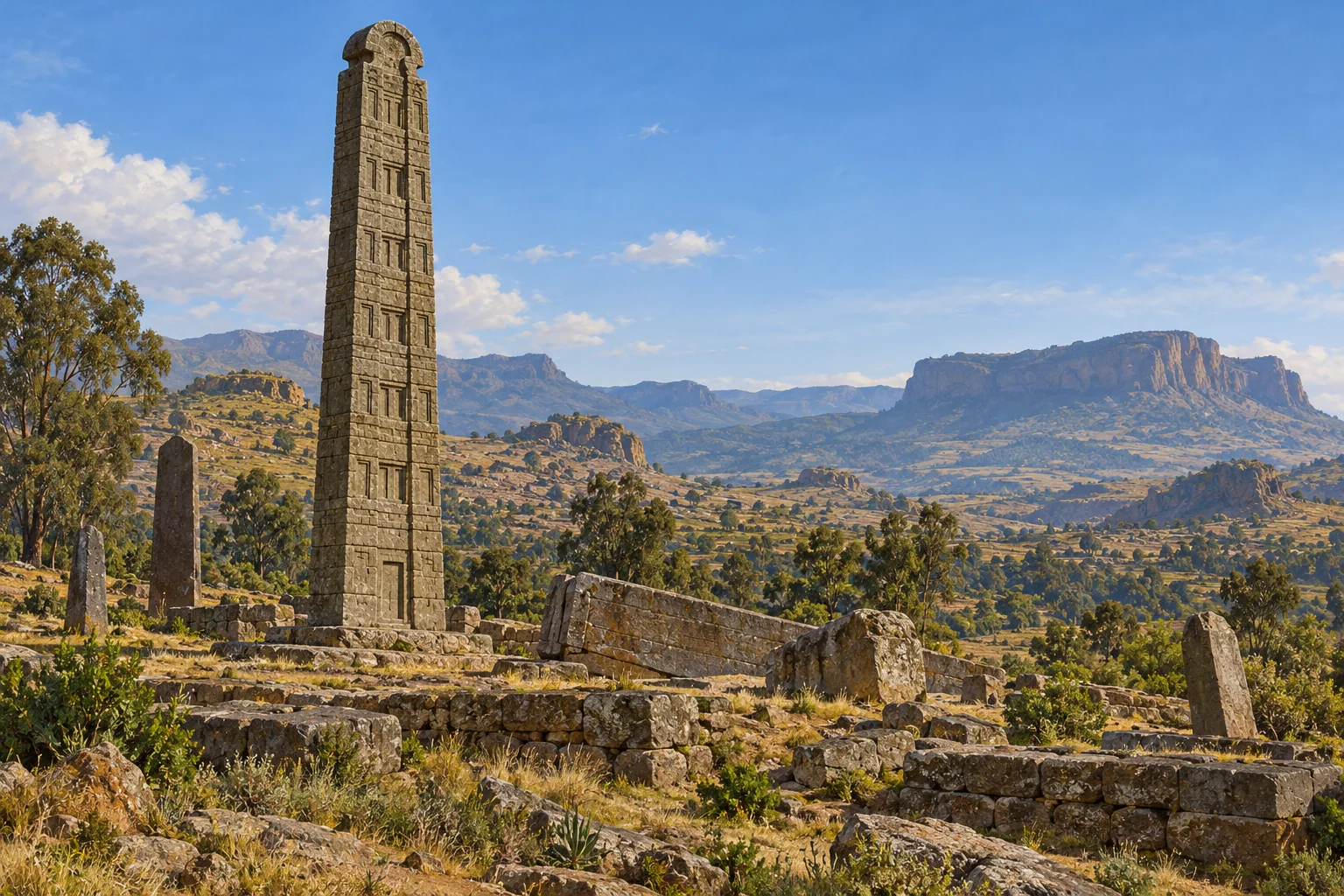
Read Aksum: stelae, tombs and settlement1 CE–1300 CE (focus interval) · Ethiopia
What survives when a political center changes?
Stelae, royal tombs and palatial ruins survive at Aksum. Excavation and archive records help ask how this center changed, rather than treating its long chronology as a period of unchanged power.
Read Mogao: a crossroads in painted caves366 CE–1400 CE (focus interval) · China
What can a place of devotion preserve about movement?
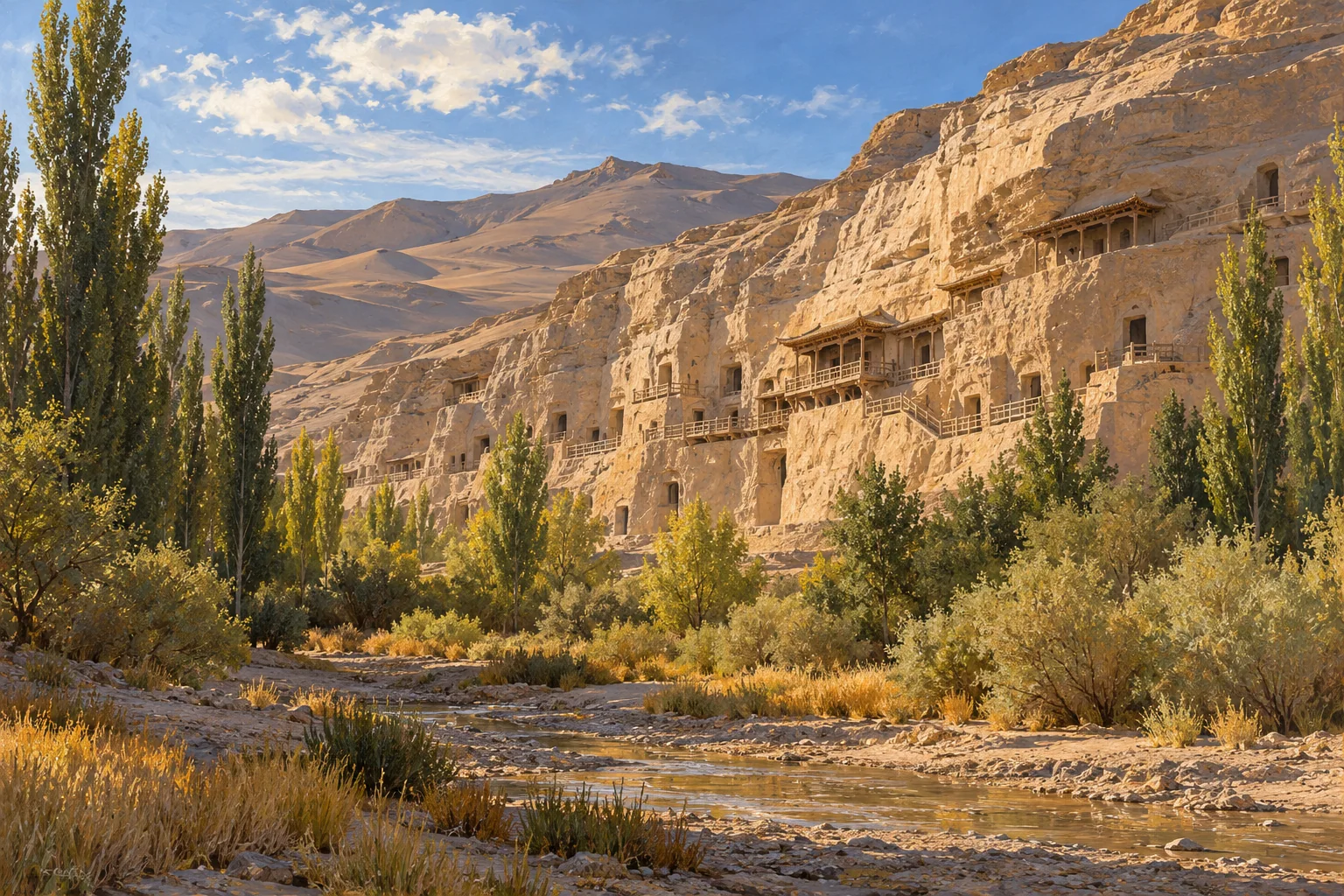
Mogao’s 492 decorated caves preserve Buddhist art spanning roughly a millennium. Manuscripts add evidence of languages and bookmaking, while their later dispersal shapes what researchers can study today.
Read Gyeongju: traces of Sillac. 500–1000 CE (burial and monumental focus) · South Korea
How do temples and palaces open different views of a place?
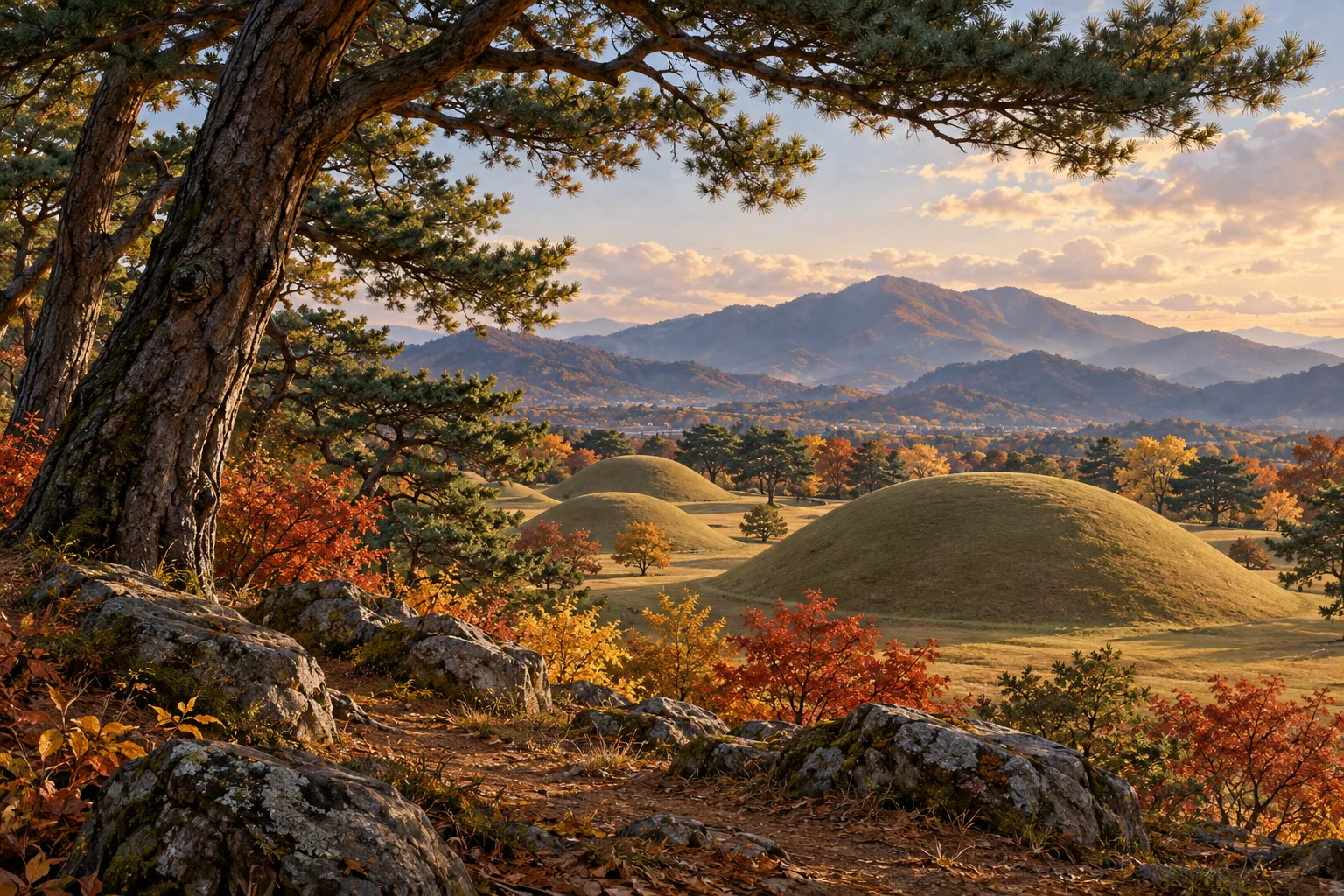
Buddhist art, temples and palace remains survive at Gyeongju. Museum records of Silla tomb objects add another view, with dates and contexts that must be kept distinct from the later buildings.
Read Palenque: a city in relief500 CE–700 CE (focus interval) · Mexico
What do buildings and reliefs preserve together?
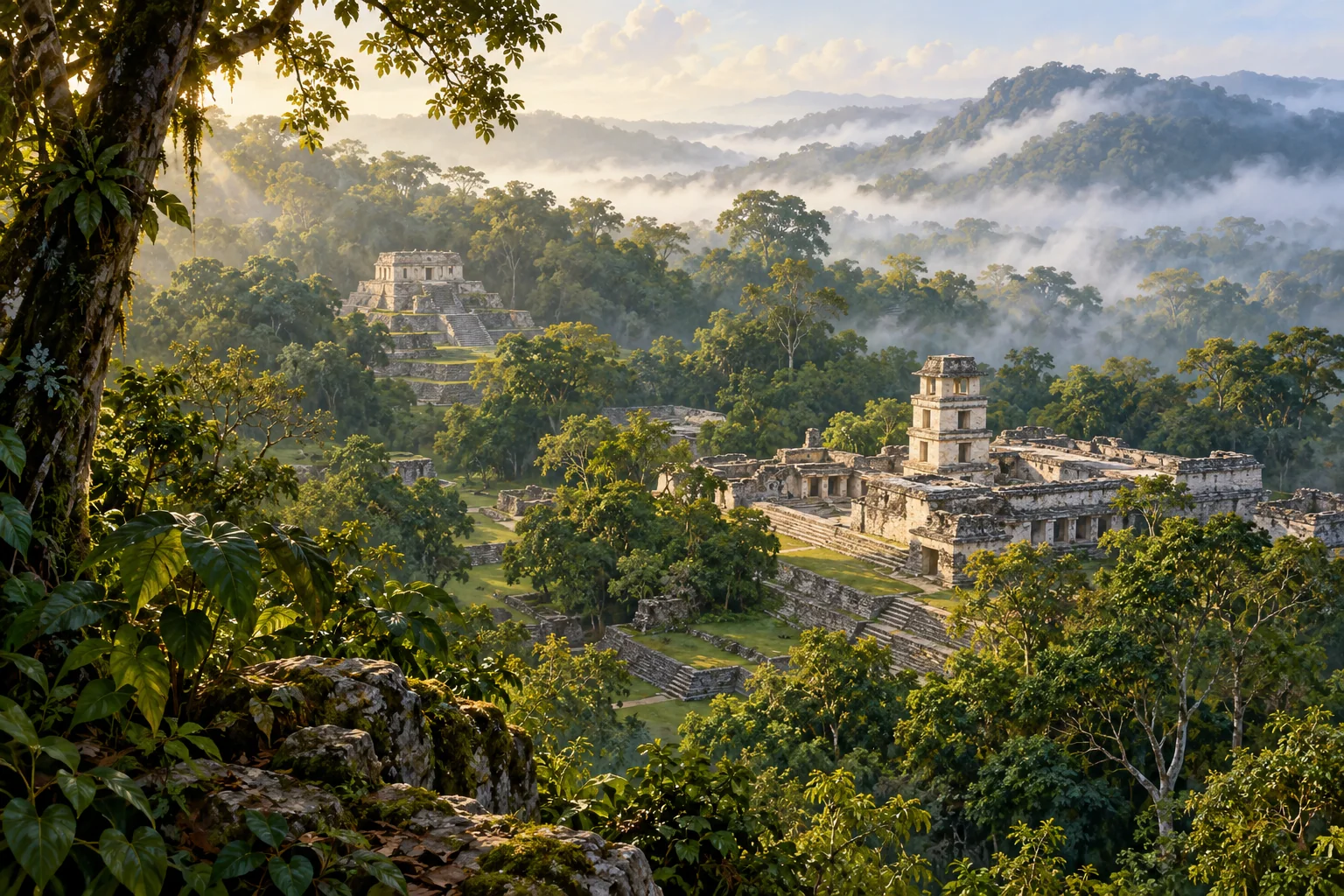
Palenque’s buildings and sculpted reliefs record major development in the sixth and seventh centuries CE. Architectural research provides a view of this particular city, not a single picture of Maya life.
Read Samarra: building an Abbasid capital836 CE–892 CE (focus interval) · Iraq
What can the footprint of a capital reveal?
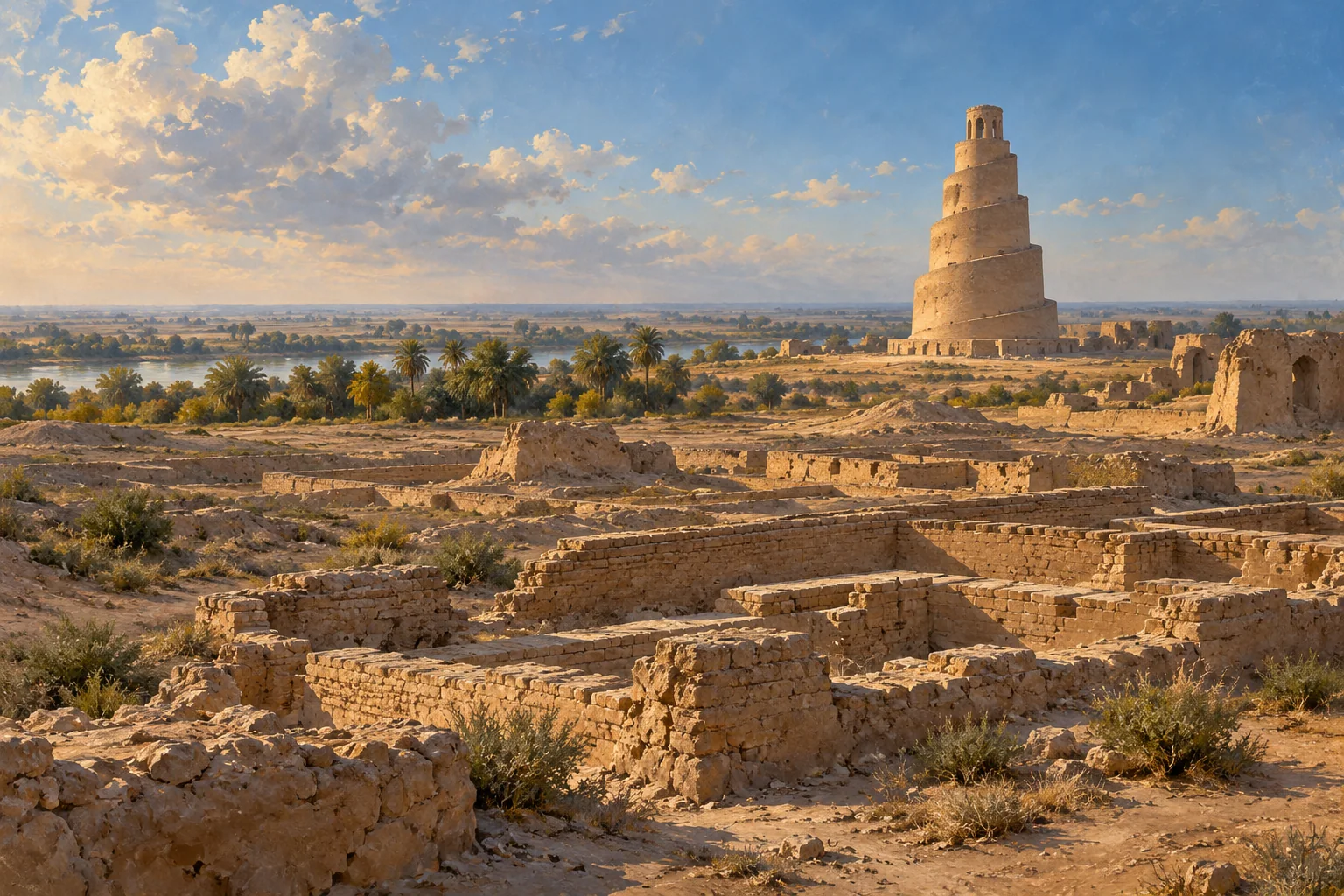
Samarra’s palaces and major mosques form part of a large Abbasid urban landscape. The excavation archive also records pottery, painted fragments and plaster, offering evidence beyond the capital’s skyline.
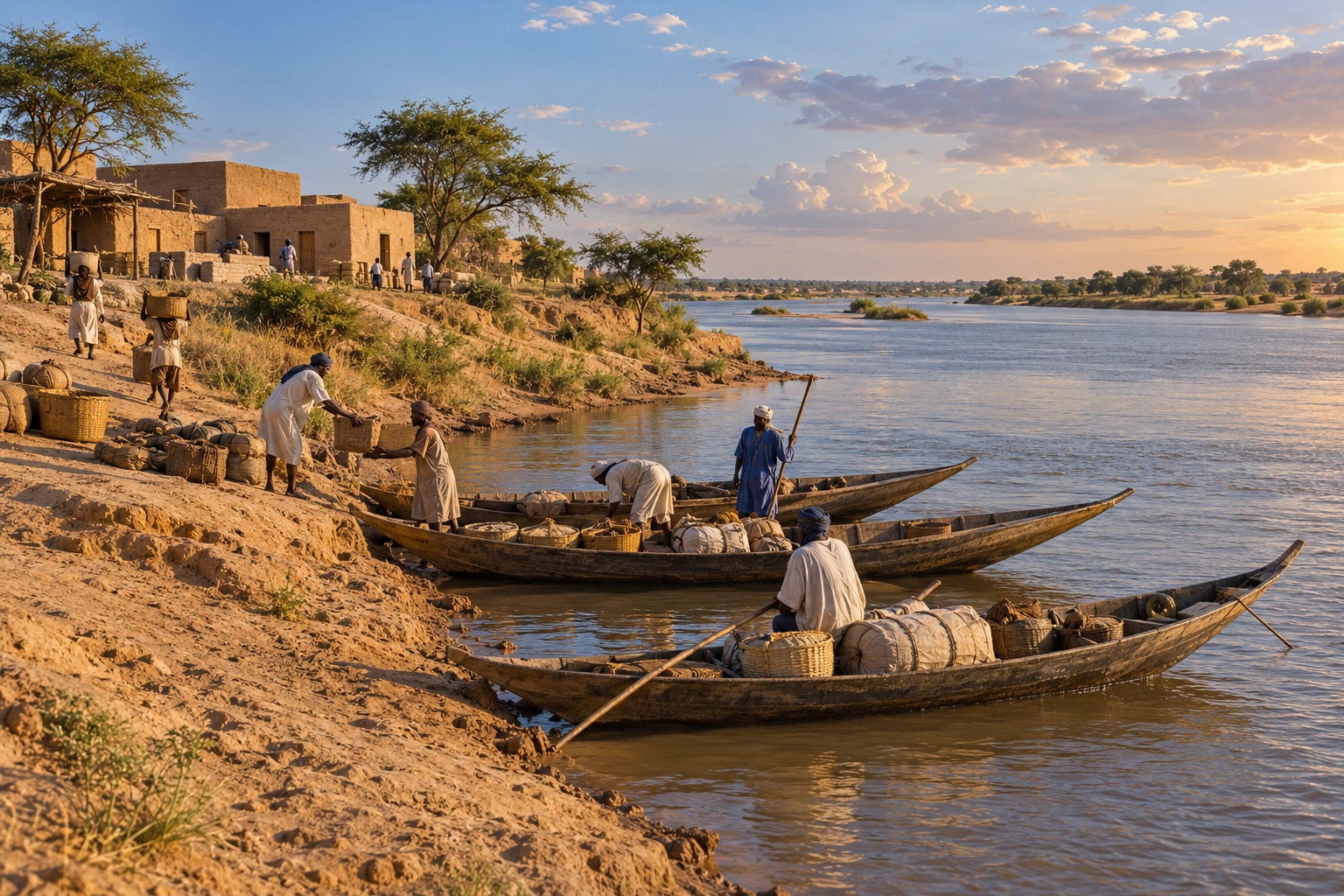
Read Kilwa: a port seen through its material traces1200 CE–1600 CE (focus interval) · Tanzania
How can an object connect places without drawing a voyage?
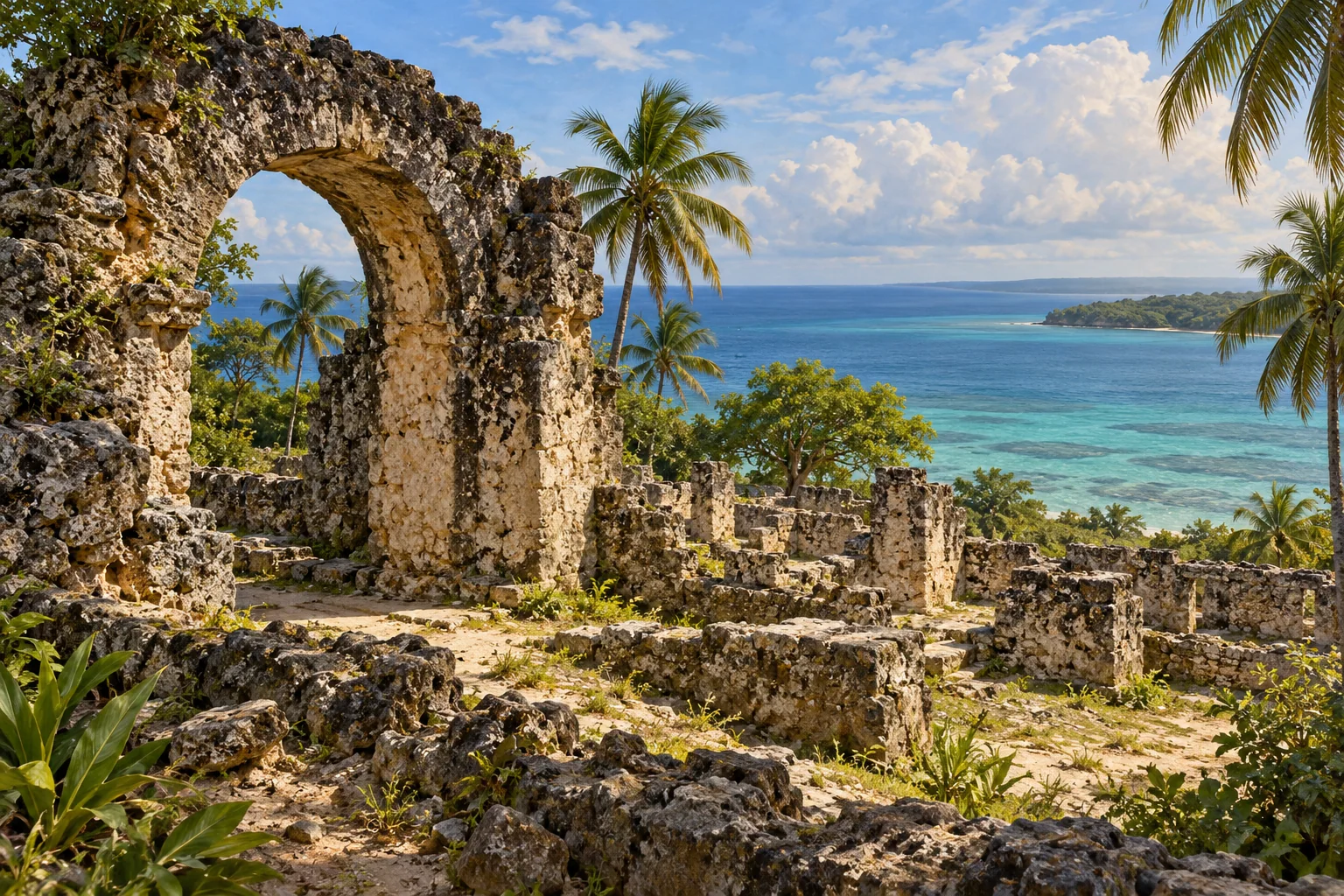
Chinese porcelain and Persian earthenware are among the material traces recorded at Kilwa. Imported wares help study a port’s connections, but an object alone cannot identify a merchant or prove a direct voyage.
Read Orkhon Valley: a capital in a pastoral landscape1200 CE–1400 CE (focus interval) · Mongolia
How can a capital belong to a mobile landscape?
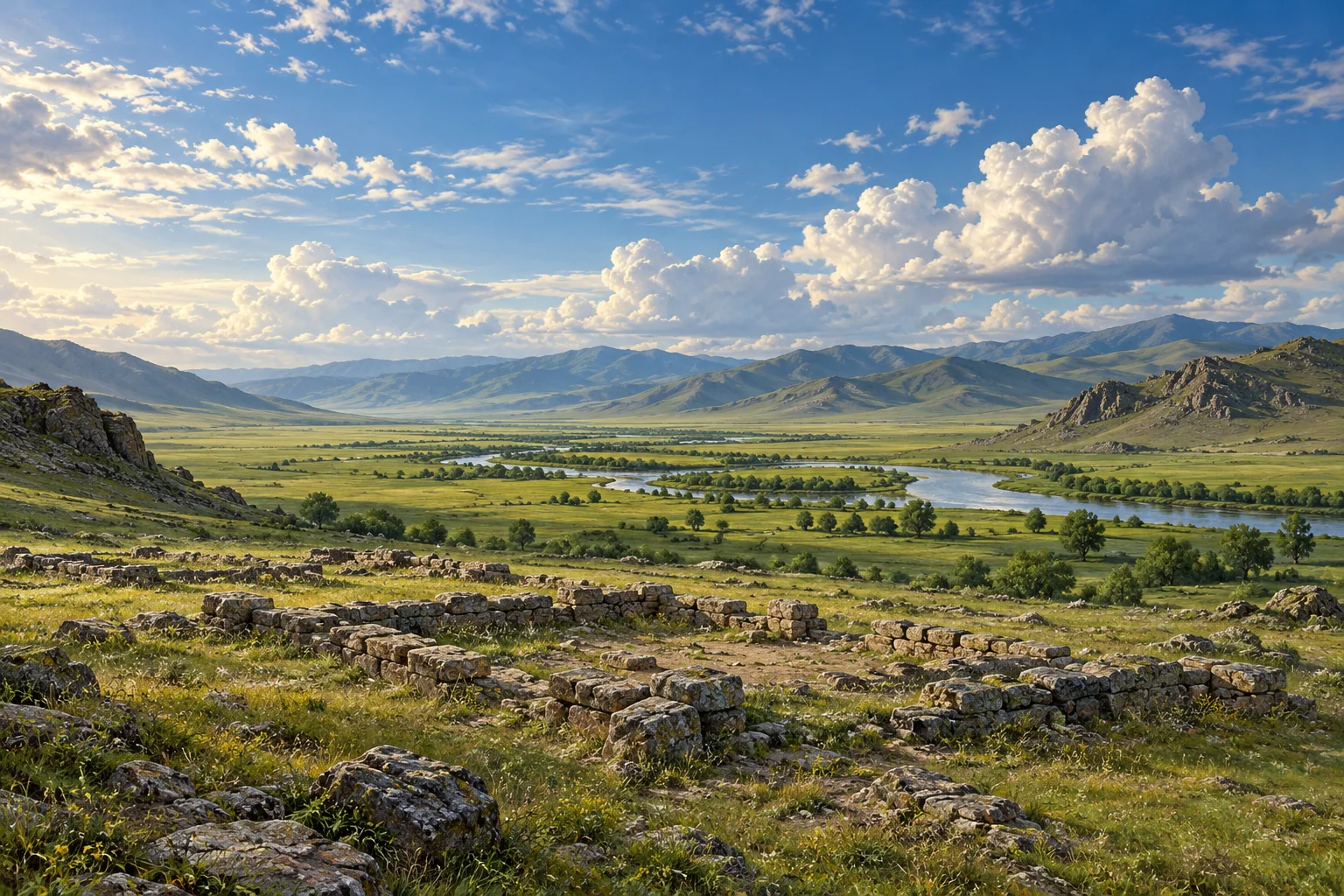
The remains of Karakorum sit within the Orkhon Valley’s pastoral cultural landscape. Studying the capital alongside that landscape avoids treating the city as the whole Mongol Empire.
Read Tenochtitlan and Xochimilco: water and urban layers1300 CE–1521 CE (focus interval) · Mexico
What remains visible when a city is rebuilt?
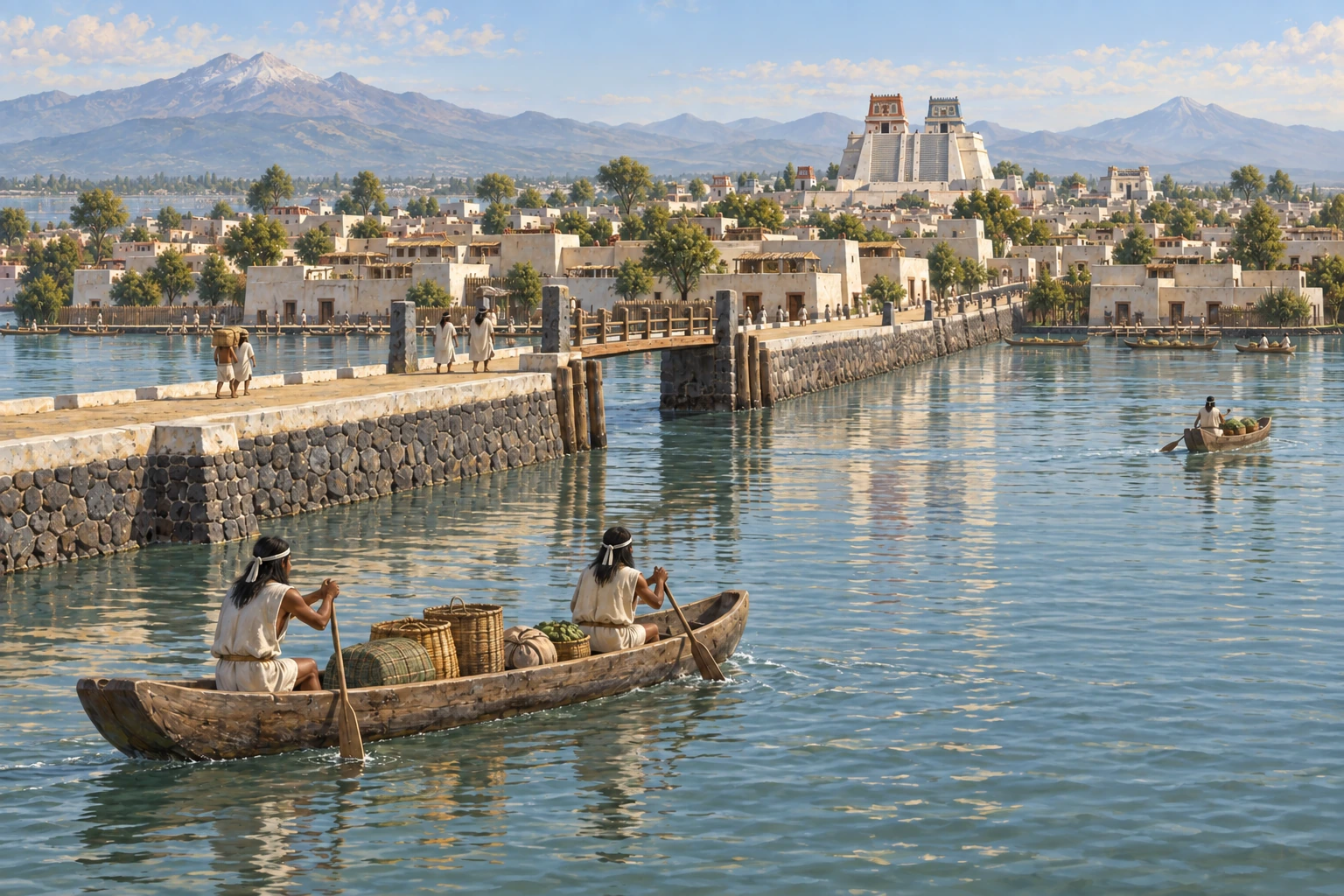
The Mexico City and Xochimilco property brings together a layered historic center, canals and artificial islands. The surviving water infrastructure raises questions about what changed and what continued.
Read Trowulan: studying a Majapahit city1300 CE–1600 CE (focus interval) · Indonesia
How do dispersed remains become a question about a city?
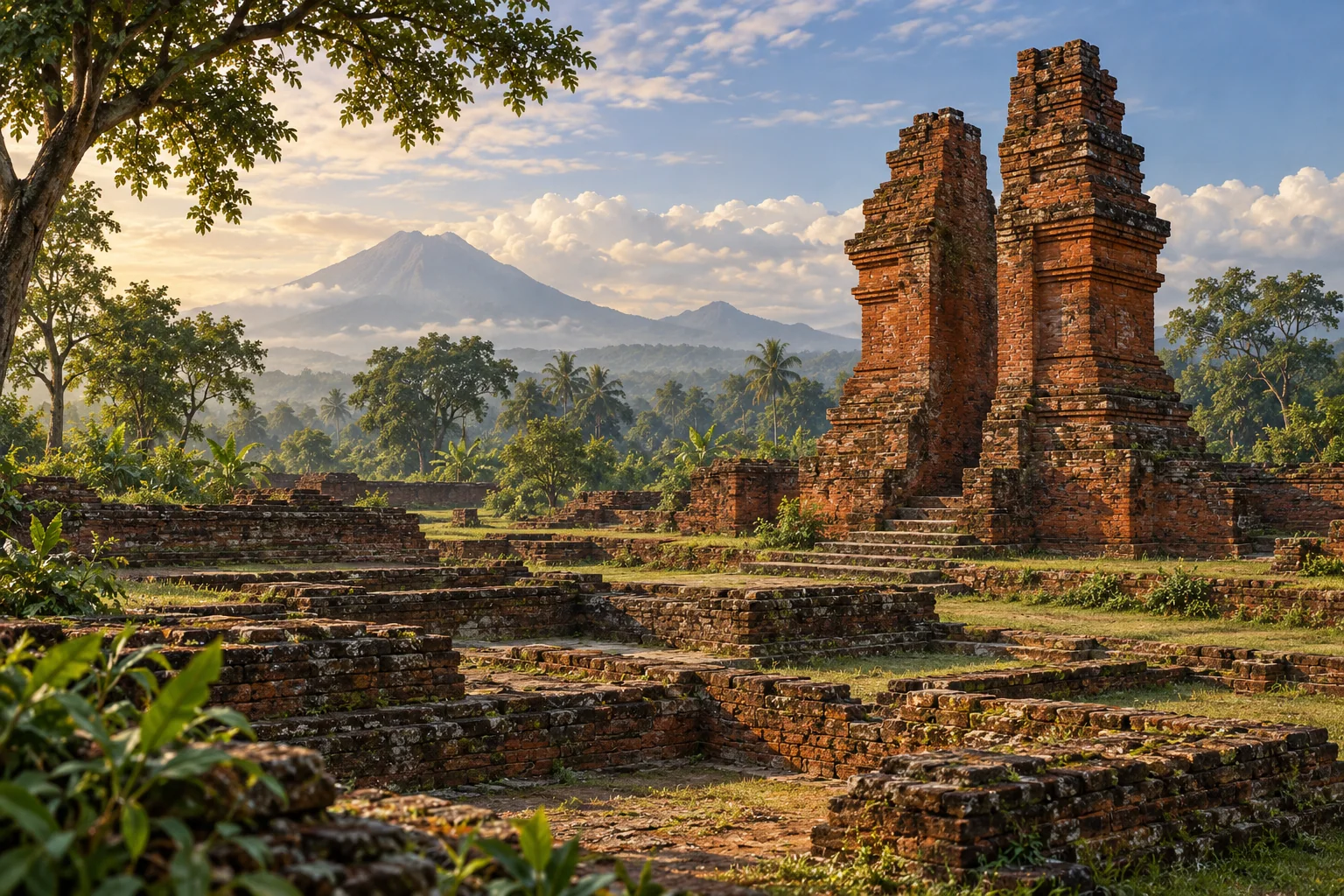
Indonesia’s tentative-list submission describes buildings, objects and water features at Trowulan. Archival and field research challenges a confident canal grid and the proposed metropolitan extent.
Read Timbuktu: places of learning1400 CE–1600 CE (focus interval) · Mali
Where does learning become part of a city?
Timbuktu’s mosques and institutions of learning are one starting point for its intellectual history. Family-library collections provide another, but modern inventories cannot date every manuscript to the medieval period.
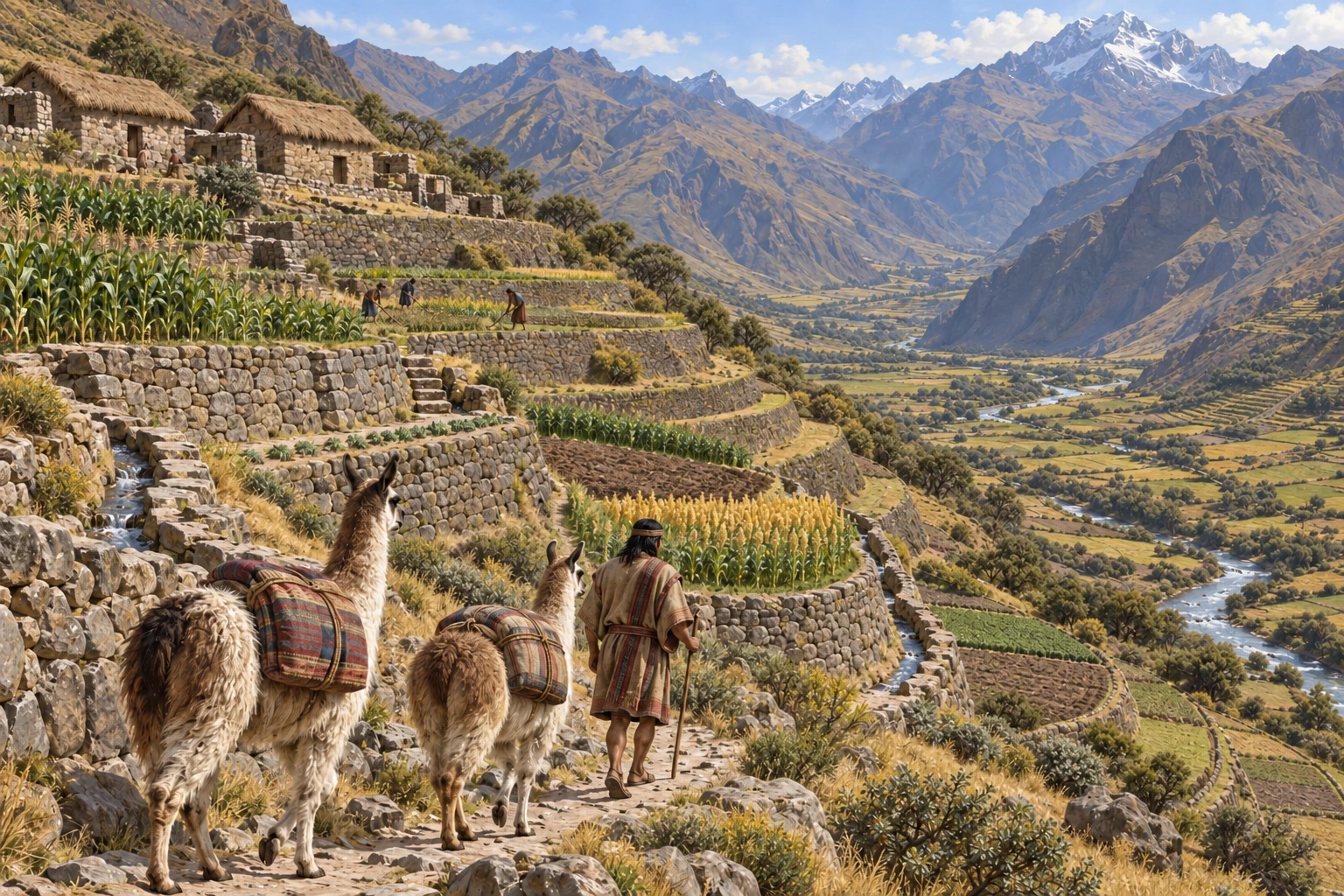
Read Machu Picchu: building with a mountainc. 1420–1532 CE (AMS-supported occupation interval) · Peru
How does a built place work with a steep landscape?
Terraces, ramps and buildings at Machu Picchu were fitted to an Andean mountain setting. Dating evidence helps examine the site’s occupation, without dating every structure or all of Tawantinsuyu.
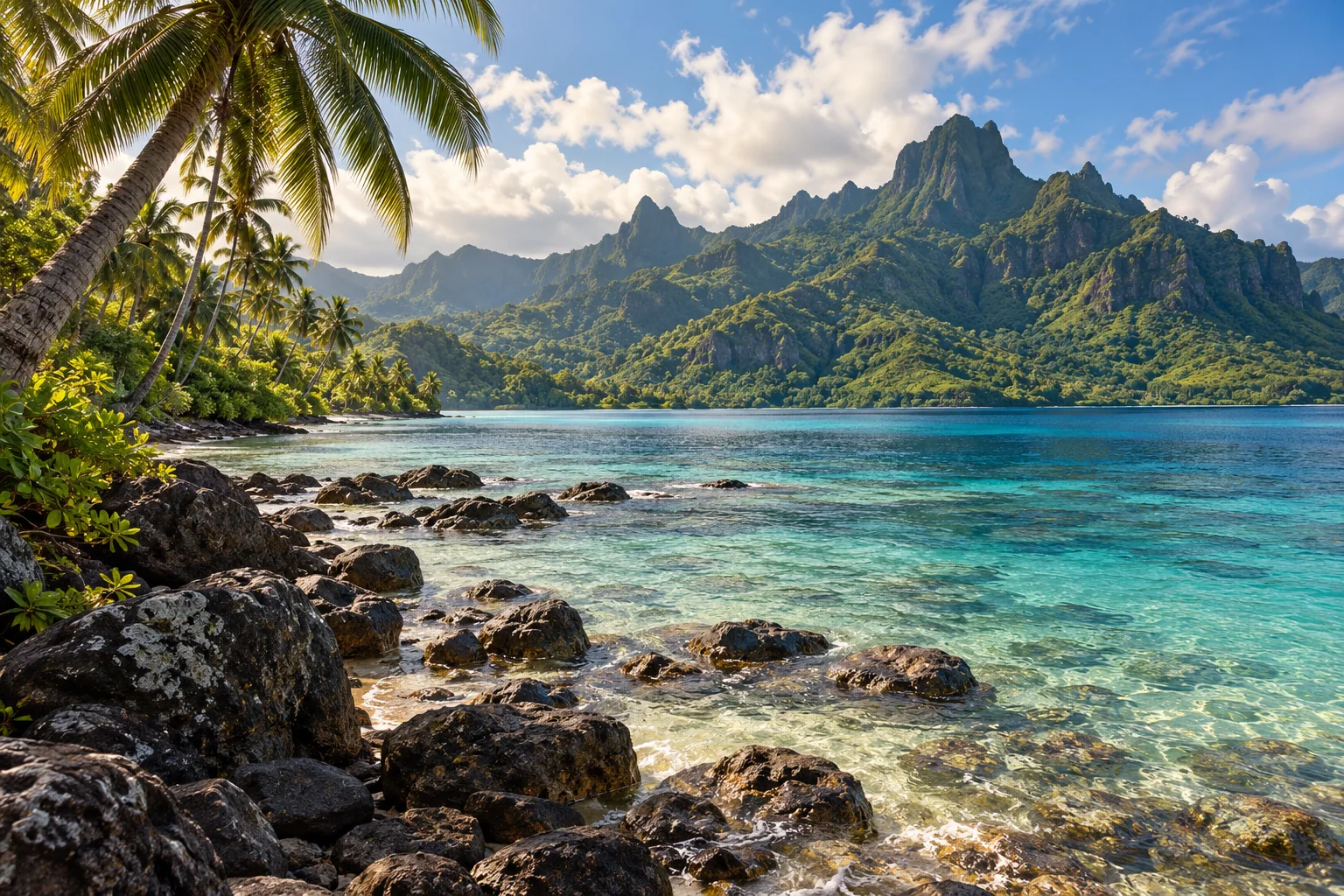
Read Taputapuātea: a place of relationshipsc. 1600–1765 CE (regional monumental-phase model) · French Polynesia
How can a place hold relationships across an ocean?
The marae complex at Taputapuātea on Raʻiātea has political, ceremonial and funerary functions in a continuing cultural landscape. The case follows this place within Māʻohi worlds, without treating one interval as the date of all Pacific migrations.
Read Osun-Osogbo: a living sacred landscape2019 documentation project; living heritage continues · Nigeria
How should a historical account approach a living sacred place?
Osun-Osogbo is a living Yoruba sacred landscape with shrines and other cultural features. A 2019 project recorded the condition of three monumental structures; that date belongs to the survey, not the origin of the grove.
Read Haudenosaunee: a Confederacy speaks for itselfContemporary public description (2026); founding date not asserted · North America
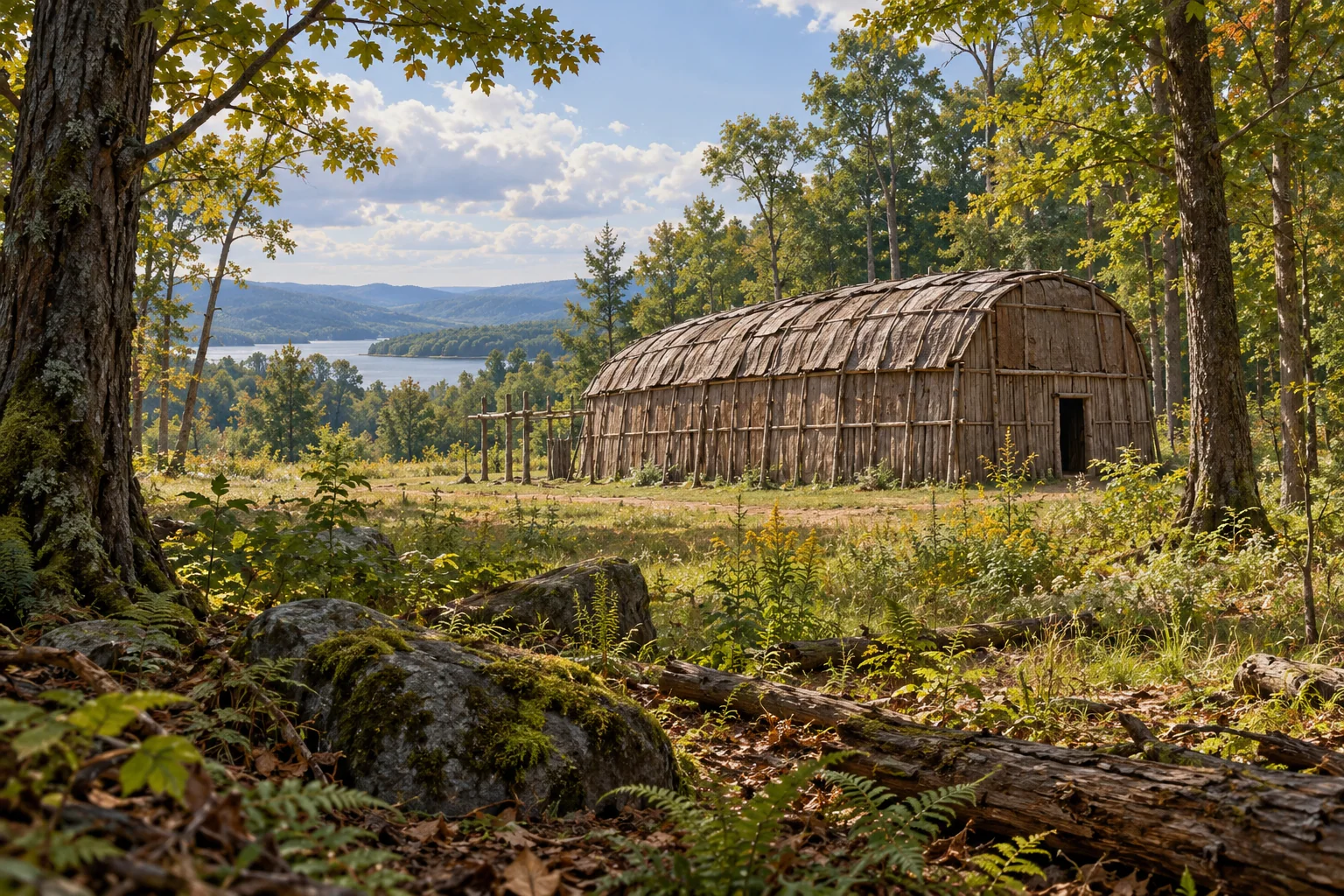
Who should explain a living political tradition?
The Haudenosaunee Confederacy describes its national councils, Clan Mothers, chiefs and Grand Council in its own public account. This case begins with that living governance, then reads historical documents alongside it.